Why Stirling's Wallace Monument Inspires Crime Novels
- patmct3
- Apr 8
- 5 min read
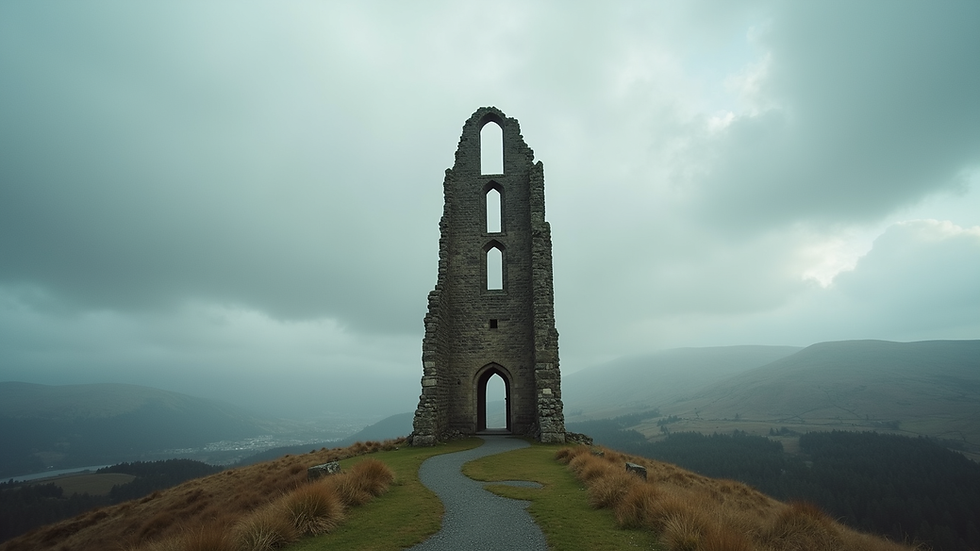
Stirling's Wallace Monument stands tall against the Scottish skyline, a tribute to the legendary figure of William Wallace. This iconic structure not only commemorates a historical hero but also serves as a backdrop for countless stories, particularly in the crime genre. The monument's rich history, dramatic setting, and the themes of justice and rebellion it embodies make it a compelling source of inspiration for crime writers. In this post, we will explore how the Wallace Monument influences crime novels, the elements of its story that resonate with readers, and some notable examples of literature that draw from its legacy.
The Historical Context of the Wallace Monument
The Wallace Monument was erected in 1869 to honor William Wallace, a key figure in the Wars of Scottish Independence. Wallace's story is one of bravery, betrayal, and the fight for justice, themes that resonate deeply within the crime genre.
The Life of William Wallace
William Wallace was born in 1270 and became a national hero after leading a rebellion against English rule. His most famous victory came at the Battle of Stirling Bridge in 1297, where his forces defeated a much larger English army. However, his life ended tragically when he was captured and executed in 1305. This narrative of a hero fighting against oppression provides a rich tapestry for crime writers to explore themes of justice, vengeance, and moral ambiguity.
The Monument's Symbolism
The Wallace Monument itself is a symbol of Scottish nationalism and resilience. Its towering presence on the Abbey Craig serves as a reminder of the struggles faced by Wallace and his compatriots. This symbolism can be woven into crime narratives, where characters grapple with their own moral dilemmas and the consequences of their actions.
Elements of Crime Novels Inspired by the Wallace Monument
Crime novels often delve into the darker aspects of human nature, and the Wallace Monument provides a unique lens through which to explore these themes. Here are some key elements that crime writers draw from this iconic structure and its history:
Themes of Justice and Revenge
At the heart of many crime stories lies the quest for justice. The Wallace Monument, dedicated to a figure who fought for justice against tyranny, inspires narratives where characters seek retribution for wrongs done to them or their loved ones. This theme resonates with readers who appreciate stories of moral complexity and the gray areas of right and wrong.
Betrayal and Loyalty
The story of William Wallace is rife with betrayal, from the treachery of his own countrymen to the brutal actions of the English. Crime novels often explore similar themes, where trust is broken, and characters must navigate a web of deceit. The monument serves as a constant reminder of these themes, encouraging writers to craft plots filled with unexpected twists and turns.
The Struggle Against Authority
Wallace's fight against English rule can be mirrored in crime novels that feature protagonists challenging corrupt systems or oppressive authorities. This struggle is particularly relevant in contemporary settings, where characters may find themselves at odds with law enforcement or governmental powers. The Wallace Monument symbolizes resistance, making it a fitting backdrop for such narratives.
Notable Crime Novels Inspired by the Wallace Monument
Several authors have drawn inspiration from the Wallace Monument and its historical context to create compelling crime stories. Here are a few notable examples:
"The Last of the Highlanders" by John McKay
In this gripping novel, McKay weaves a tale of revenge set against the backdrop of the Wallace Monument. The protagonist, a descendant of Wallace, seeks to uncover the truth behind a series of murders that echo the injustices faced by his ancestor. The monument serves as a powerful symbol of his quest for justice, and the narrative explores themes of loyalty and betrayal.
"The Wallace Conspiracy" by Fiona MacDonald
MacDonald’s novel delves into the political intrigue surrounding Wallace's life and death. The story is filled with suspense as characters navigate a world of espionage and treachery. The Wallace Monument is a constant presence, reminding readers of the historical significance of the events unfolding. This connection to the past adds depth to the crime narrative, making it more than just a simple whodunit.
"Blood on the Abbey Craig" by Ian McGregor
Set in the shadow of the Wallace Monument, McGregor's novel follows a detective investigating a murder that uncovers dark secrets tied to Wallace's legacy. The story intertwines historical elements with modern crime, creating a rich narrative that captivates readers. The monument not only serves as a physical location but also as a metaphor for the enduring impact of history on contemporary issues.
The Wallace Monument as a Setting for Crime Fiction
The physical presence of the Wallace Monument provides a dramatic setting for crime fiction. Its towering structure and panoramic views of the surrounding landscape create an atmosphere ripe for tension and intrigue. Here are some ways in which the monument enhances crime narratives:
A Dramatic Backdrop
The imposing nature of the Wallace Monument adds a layer of drama to crime stories. Writers can use its height and visibility to create suspenseful scenes, such as a chase or a confrontation. The monument's location on a hill also allows for strategic plot points, where characters can gain or lose the upper hand based on their surroundings.
Symbolic Locations
Crime writers often use specific locations to symbolize broader themes. The Wallace Monument can represent the struggle for justice, the weight of history, or the burden of legacy. By incorporating the monument into their narratives, authors can deepen the emotional impact of their stories, making them resonate more with readers.
Historical Echoes
The history surrounding the Wallace Monument can inform the motivations and actions of characters in crime novels. Writers can draw parallels between historical events and contemporary issues, creating a rich tapestry of interconnected narratives. This approach not only enhances the plot but also encourages readers to reflect on the relevance of history in their own lives.
Conclusion: The Enduring Legacy of the Wallace Monument in Crime Fiction
The Wallace Monument is more than just a tribute to a historical figure; it is a source of inspiration for crime writers who seek to explore themes of justice, betrayal, and the struggle against authority. Its dramatic presence and rich history provide a fertile ground for storytelling, allowing authors to craft narratives that resonate with readers on multiple levels.
As crime novels continue to evolve, the legacy of William Wallace and the monument dedicated to him will undoubtedly inspire future generations of writers. Whether through direct references or thematic echoes, the Wallace Monument will remain a powerful symbol in the world of crime fiction, inviting readers to ponder the complexities of justice and the human experience.
By embracing the stories that the Wallace Monument inspires, readers can engage with the past while exploring the moral dilemmas that define our present. So, the next time you find yourself in Stirling, take a moment to appreciate the monument and consider the tales it has inspired. Who knows? You might just find your next favorite crime novel waiting to be discovered.


Comments